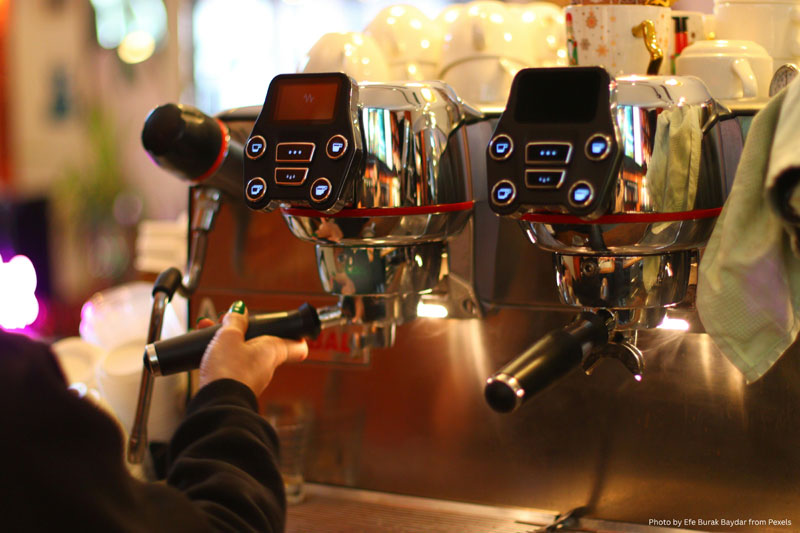
If you run a café or restaurant in North County San Diego, your espresso machine is part of your daily rhythm. When it’s working, service flows. When it’s not, everything slows down—orders back up, staff get frustrated, and customers notice.
When problems start, the question usually isn’t if something needs to be done, but whether espresso machine repair is enough or if replacement is unavoidable. The right answer depends on a few practical factors, not guesswork.
This guide breaks down how experienced operators make that call.
Why This Decision Matters More Than It Seems
Commercial espresso machines work hard. Heat cycles, pressure, minerals in the water, and constant use all take a toll. A single failure can shut down drink service during your busiest hours.
Industry guidance from organizations like the Specialty Coffee Association emphasizes that neglected maintenance—not age alone—is a leading cause of premature equipment failure. Regular service and informed repair decisions often extend usable life significantly.
When Espresso Machine Repair Is Usually the Right Move
In many cases, repair is both practical and cost-effective.
Repair often makes sense when:
- The machine is under 8–10 years old
- The problem is limited to a known component (pump, valve, heating element, electronics)
- Parts are still available without long delays
- The boiler and frame are in solid condition
Commercial espresso machines are built to be serviced. Replacing worn components is normal and expected over their lifespan, especially when routine maintenance has been consistent.
When Replacement Starts to Make More Sense
There’s a point where repairs stop being the smart option.
Replacement should be considered if:
- The machine is breaking down repeatedly
- Repair costs keep stacking up over short periods
- Key parts are no longer manufactured
- The machine struggles to keep up during rushes
- Energy use and recovery times are noticeably inefficient
Foodservice equipment lifecycle guidance notes that replacement becomes reasonable when repairs no longer restore reliability or predictability.
Looking at the Real Cost Differences
The decision shouldn’t be based on a single invoice.
What to factor in:
- Repair costs: Often a few hundred to a few thousand dollars
- Replacement costs: Frequently five figures for commercial units
- Downtime: Repairs are usually faster than ordering and installing new equipment
- Operational impact: New machines may require staff training and workflow changes
A qualified technician can explain whether a repair is likely to solve the problem long term or simply delay the next failure.
Why Preventive Maintenance Changes the Equation
Many replacement decisions come sooner than they should due to skipped maintenance.
Regular service typically includes:
- Managing scale buildup through proper descaling
- Monitoring water quality to protect internal components
- Replacing group gaskets and wear parts before failure
- Verifying temperatures, pressures, and electrical safety
Machines that receive consistent maintenance tend to fail less often—and when they do, repairs are usually straightforward.
Choosing the Right Repair Partner
Espresso machines aren’t general appliances. They require technicians who understand commercial beverage equipment and the demands of foodservice environments.
Many businesses in North County San Diego rely on specialists like NCB Sales & Service, who focus specifically on espresso machines and commercial coffee systems.
Frequently Asked Questions
How long do commercial espresso machines typically last?
With proper care, many run reliably for 10–15 years or longer.
Is repairing an older machine ever worth it?
Yes, if failures are infrequent and parts remain available.
How quickly are most espresso machine repairs completed?
Many common issues can be resolved within days, depending on parts availability.
Can water quality really cause major damage?
Yes. Poor water chemistry is one of the most common causes of premature failure.
Should issues be addressed before busy seasons?
Absolutely. Preventive repairs reduce the risk of breakdowns during peak demand.
Next Steps
If your espresso machine isn’t performing at its best, the first step is a professional evaluation. At NCB Sales, we have the expertise to assess your equipment accurately and recommend the best solution—whether it’s a repair or a replacement. By trusting our team, you can avoid unnecessary downtime, protect your investment, and keep serving consistently great coffee. With NCB Sales, your espresso machine is in expert hands.